
The Weight of Our Earthen Shelter
-
 August 27, 2025
23rd Sunday of Ordinary Time - Wisdom 9:13-18b
Who can know God’s counsel,
or who can conceive what the LORD intends?
For the deliberations of mortals are timid,
and unsure are our plans.
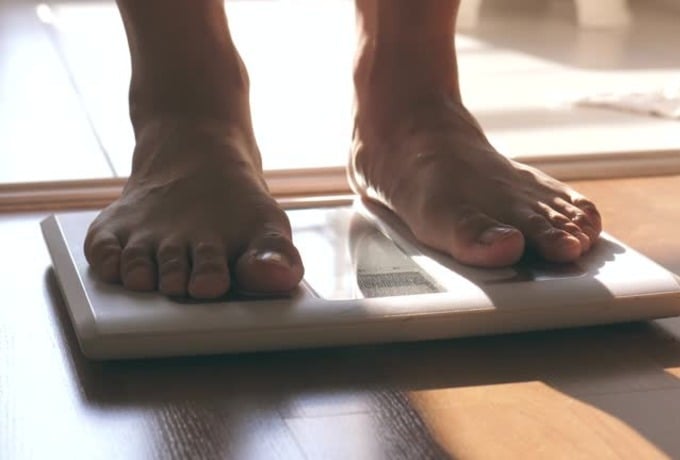
For the corruptible body burdens the soul
and the earthen shelter weighs down the mind that has many concerns.
And scarce do we guess the things on earth,
and what is within our grasp we find with difficulty;
but when things are in heaven, who can search them out?
Or who ever knew your counsel, except you had given wisdom
and sent your holy spirit from on high?
And thus were the paths of those on earth made straight.
The Book of Wisdom was written just a few centuries before Jesus’ birth, and it was written in the voice of the great philosopher-king Solomon. It presents Jewish piety and theology wedded to Greek philosophy. The first nine chapters exhort people of power to love wisdom and righteousness to gain eternal life. Our reading concludes this first section with a prayer reminiscent of King Solomon’s famous prayer for wisdom in 1 Kings 3:6-9 and 2 Chronicles 1:8-10. This prayer also echoes the theme of last week’s reading from Sirach on the limits of human understanding and the need for humility.
One of the more striking features of this passage is the seemingly negative view of the physical body. The idea of the body weighing down the soul is a very Greek idea, stemming from Plato if not an earlier thinker. Now, the resurrection of the body had been asserted directly earlier in the Bible (see Isaiah 26:19, Daniel 12:2 among others) and forms a key tenant of the faith that we recite every Sunday in the Nicene Creed: “I believe in… the resurrection of the body.” Human beings are body-soul composites. Your body is part of who you are and not just a covering that the real you wears around on this side of death. And so at the end of time, your soul will be reunited with your body for eternity. If we are to keep our bodies forever, then they cannot be inherently bad.
And so this passage is not a denial of prior revelation. Rather it is a rhetorical question in a Greek voice that is answered according to the biblical tradition: God remains a mystery beyond the full grasp of human reason, and yet divine wisdom and the “holy spirit from on high” can assist us in understanding and drawing near to the Lord and walking the straight path that he desires for our happiness. Indeed, the Holy Trinity wants to help us overcome the weightier aspects of bodily life, the unchecked emotions and cravings that seek to control us. These crosses that we all carry in our as-yet-not-glorified bodies can be overcome by reliance on grace and the practice of virtue. In this way, “the paths of those on earth [can be] made straight.”